In today’s IT sector,
isolation is the norm.
Most employees work individually—separated by screens, projects, and performance metrics. When problems arise, employees are often expected to face HR, management, or legal uncertainty alone. A union exists to change this imbalance.




Power Is Collective
An individual employee negotiates from a weak position.
A collective of employees negotiates from strength. Unions transform individual concerns into organized, legitimate, and enforceable demands.
Laws Alone Are Not Enough
India has labour laws—
but rights on paper do not enforce themselves.
A union:
Interprets labour laws correctly
Ensures compliance at the workplace
Provides legal support when violations occur
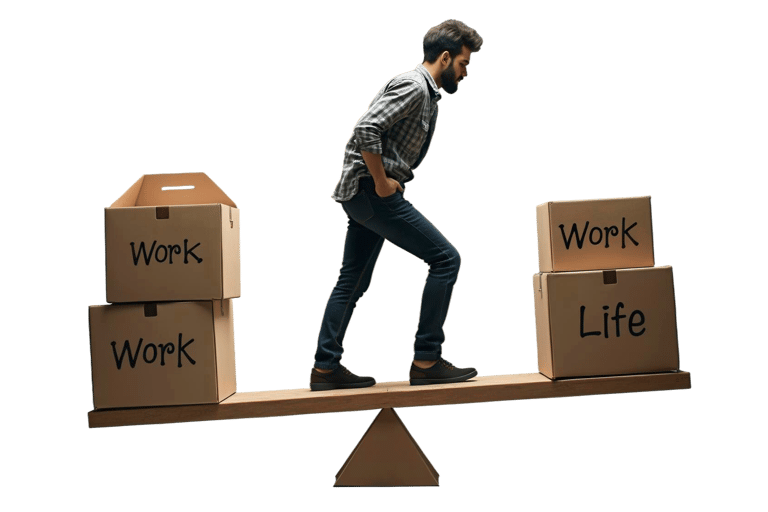
Work–Life Balance Is Under Threat
Extended working hours, on-call culture, and unrealistic deadlines are becoming normalised. A union fights for Regulated working hours, Right to disconnect and Humane workplace policies


Job Security Is Declining
Contract work, sudden layoffs, extended working hours, performance pressure, and silent terminations are increasing.
A union provides Collective resistance to unfair practices, Support during layoffs and disputes and Negotiation power during organizational changes


HR Is Not Neutral
Write your text here...Human Resources departments are structured to serve the organization’s objectives—ensuring compliance, managing risk, and protecting the employer from legal and operational exposure. While HR may address employee concerns, its primary accountability remains with management, not individual workers. This creates a structural imbalance where employees often feel unheard, pressured, or uncertain during disputes, performance reviews, disciplinary actions, or layoffs. In such situations, relying solely on HR can leave employees without truly independent support.
A union exists to correct this imbalance by providing employees with a collective, independent voice—one that represents workers’ interests without conflict.
The IT park in Thiruvananthapuram looked calm from the outside—glass walls, access cards, smiling posters about “work culture.” Inside, 300 employees worked long hours under quiet pressure. Salary delays, forced overtime, arbitrary appraisals, and verbal intimidation had slowly become routine. HR called it “performance alignment.” Employees called it survival.
A few workers began to question it.
They spoke softly at first—during tea breaks, in parking lots, over late-night calls. They suggested a joint action: a petition, a formal complaint, collective questioning of management. They went desk to desk asking colleagues for support.
Most refused.
“Why take risk?”
“I have EMI.”
“Management knows better.”
“Union will spoil my career.”
“I’ll manage somehow.”
Some smiled politely and avoided them. Some warned them to stay quiet. When the first meeting was called, only 30 employees showed up. No banners. No slogans. Just tired professionals sitting in a small room, unsure but determined. They decided to document violations, draft a petition, and act together—slowly, legally, collectively.
Weeks passed.
One morning, an email arrived.
“Organizational Restructuring – Immediate Effect.”
Two hundred employees were laid off in a single mail. No discussion. No notice. No severance clarity. Panic spread across the office and WhatsApp groups. The same people who avoided the meeting now asked, “What can we do?”
The 30 did not panic.
They filed complaints with the Labour Commissioner. They approached the High Court with documented evidence—emails, appraisal threats, attendance manipulation, policy violations. They spoke as one unit. Media began asking questions. Authorities began calling the company.
Management, which once dismissed them as “troublemakers,” now asked for settlement talks.
The agreement came quietly.
Union members were reinstated first. Compensation was negotiated. Legal compliance was assured. The company agreed to corrective measures—but only for those represented collectively.
Those who had stayed away suffered silently—delayed settlements, poor terms, no voice.
The lesson spread faster than fear ever did.
In that IT company, people finally understood:
Individually, they were replaceable. Together, they were unavoidable.
SUCCESS STORIES
Team with 10 Member Only
© 2025. All rights reserved to Vebsol//
P.S.Smarakom, Vrindavan Garden, Pattom, Thiruvananthauram.
Connect Us..

